kmr kitten milk feeding instructions
KMR Kitten Milk Feeding Instructions: A Comprehensive Guide
KMR provides essential nutrients for orphaned or rejected kittens, mimicking the mother’s milk. Proper feeding ensures healthy growth and development during crucial early stages.
Understanding KMR and its Importance
KMR, or Kitten Milk Replacer, is a specially formulated nutritional substitute for a mother cat’s milk. It’s vitally important when a kitten is orphaned, abandoned, or if the mother is unable to provide adequate nourishment. Unlike cow’s milk, KMR is designed to precisely meet the unique dietary needs of growing kittens, offering a balanced blend of proteins, fats, carbohydrates, vitamins, and minerals.
This carefully crafted formula supports healthy digestion, immune system development, and overall growth. Using KMR ensures kittens receive the essential nutrients they require for optimal health, preventing malnutrition and related complications. It’s crucial to understand that a kitten’s digestive system is delicate, and KMR is easily digestible, minimizing the risk of upset stomachs or diarrhea.
Providing KMR correctly is a cornerstone of successful kitten care, especially during the first few weeks of life, laying the foundation for a strong and healthy future. It’s a lifeline for vulnerable newborns, offering them the best possible start.
When to Use KMR: Identifying the Need
KMR becomes essential when a kitten is separated from its mother too early – before eight weeks is generally considered too young. Obvious situations include orphaned kittens whose mothers have passed away, or those abandoned by their mother. However, recognizing subtle needs is equally important.
If a mother cat rejects a kitten, or is unable to produce enough milk (indicated by a consistently hungry and failing-to-thrive kitten), KMR supplementation is necessary. Signs of a kitten needing KMR include consistent crying, weakness, lack of weight gain, and a visibly distended or sunken abdomen. A kitten that isn’t actively nursing or seems unable to latch on also requires intervention.
Furthermore, large litters can sometimes overwhelm a mother’s ability to feed all kittens adequately. In these cases, supplementing with KMR ensures every kitten receives sufficient nourishment. Promptly identifying these needs and initiating KMR feeding is crucial for the kitten’s survival and well-being.
Choosing the Right KMR Formula
Selecting the appropriate KMR formula is vital for optimal kitten development. Pet stores and online retailers offer various brands, but generally, a standard KMR powder designed for kittens is the best starting point. Avoid cow’s milk or other animal milk, as these lack the specific nutritional composition kittens require.
Consider the kitten’s age when choosing a formula. Most KMR products are suitable for newborn to weaning age, but some brands offer specialized formulas for different stages. If a kitten has specific sensitivities or allergies, a hypoallergenic or sensitive stomach KMR formula might be necessary – consult with a veterinarian in such cases.
Always check the expiration date on the KMR packaging to ensure freshness and potency. A reputable brand with positive reviews is also a good indicator of quality. Ultimately, a well-balanced KMR formula will provide the essential proteins, fats, carbohydrates, vitamins, and minerals a growing kitten needs.
Preparing KMR for Feeding
KMR preparation involves precise mixing, safe warming, and proper storage to maintain nutritional value and prevent bacterial growth, ensuring a healthy feeding experience.
KMR to Water Ratio: Precise Mixing Instructions
Achieving the correct KMR to water ratio is paramount for optimal kitten health. Generally, the recommended guideline is to gently stir or shake one part powdered KMR into two parts of warm, previously boiled water. This ensures the formula closely resembles the nutritional composition of a mother cat’s milk.
Consistency is key. Using accurate measurements – whether teaspoons, tablespoons, or cups – is crucial. Deviating from this ratio can lead to digestive upset, dehydration, or inadequate nutrient intake. Always use the large side of the scoop provided within the KMR container for accurate portioning.
Avoid clumping. Thoroughly mix the powder to eliminate any clumps, ensuring a smooth consistency. A slightly frothy mixture is acceptable, but large lumps can pose a choking hazard or cause discomfort for the kitten. If clumps persist, consider using a blender on a low setting for a more homogenous solution. Remember to discard any unused, mixed KMR after 24 hours if refrigerated.
Warming KMR: Safe Temperature Guidelines
Warming KMR to body temperature is vital for comfortable digestion and acceptance by the kitten. Never feed KMR directly from the refrigerator, as this can cause shock and digestive distress. The ideal temperature should mimic a mother cat’s body heat – approximately 95-100°F (35-38°C).
Microwave warming requires caution. Heat in 15-second intervals per ¼ cup of prepared formula, stirring thoroughly after each interval to prevent hot spots. Always test the temperature on your wrist before feeding; it should feel lukewarm, not hot. A hot formula can scald the kitten’s mouth and esophagus.
Avoid boiling or overheating. This destroys essential nutrients and creates a dangerous temperature for the kitten. If you lack a thermometer, err on the side of slightly cooler rather than too warm. Prepared KMR can be gently reheated in the microwave, but discard any unused portion after 24 hours of refrigeration to maintain freshness and safety.
Storage of Prepared KMR: Freshness and Safety
Proper storage of prepared KMR is crucial to prevent bacterial growth and ensure your kitten receives safe nutrition. Once mixed with water, KMR becomes a breeding ground for bacteria if not stored correctly. Always prepare only the amount needed for a single feeding to minimize waste and maximize freshness.
Refrigerated KMR should be used within 24 hours. Store any unused portion in a clean, airtight container in the refrigerator. Discard any remaining formula after this timeframe, even if it appears normal. Bacteria can still be present, posing a health risk to the vulnerable kitten.
Do not freeze prepared KMR. Freezing can alter the formula’s composition and reduce its nutritional value. Unopened KMR powder should be stored in a cool, dry place, tightly sealed, according to the manufacturer’s instructions. Maintaining these storage guidelines safeguards your kitten’s health and wellbeing.
Feeding Techniques for Newborn Kittens
Newborn kittens require gentle, patient feeding techniques. Proper positioning and nipple selection are vital to prevent aspiration and ensure comfortable, effective nourishment for optimal growth.
Bottle Selection: Choosing the Right Nipple
Selecting the appropriate bottle and nipple is paramount for successful KMR feeding. Kittens need a nipple that mimics the natural flow of their mother’s milk, preventing aspiration and encouraging comfortable feeding. Initially, opt for nipples designed specifically for newborn kittens – these have smaller openings;
Observe your kitten closely during feeding. If the kitten is struggling, choking, or milk is flowing too quickly, switch to a nipple with a smaller opening. Conversely, if the kitten is exerting excessive effort or not receiving enough milk, a nipple with a slightly larger opening might be necessary.
Avoid nipples that are too rigid or too soft. A pliable nipple allows the kitten to latch on easily, while a firm one prevents collapse during feeding. Regularly inspect nipples for cracks or damage, replacing them as needed to maintain hygiene and proper flow. Experimenting with different nipple types may be required to find the perfect fit for your individual kitten’s needs, ensuring a stress-free and nourishing experience.
Proper Bottle-Feeding Position: Preventing Aspiration
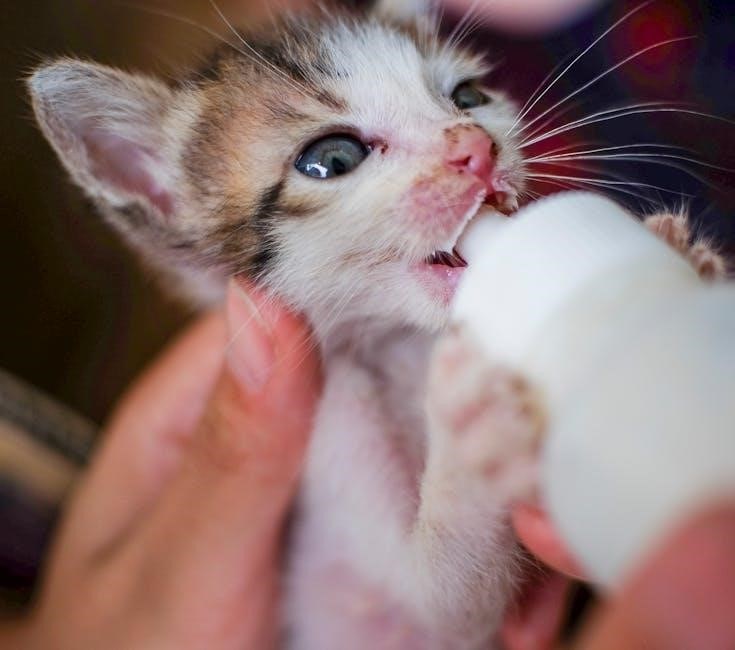
Maintaining the correct bottle-feeding position is crucial to prevent aspiration – when milk enters the kitten’s lungs. Always hold the kitten in a natural, slightly angled position, similar to how they would nurse from their mother. Never feed a kitten on its back, as this significantly increases the risk of aspiration.
Ensure the nipple is consistently filled with milk. Tilt the bottle enough to keep the nipple submerged, minimizing the amount of air the kitten swallows. A steady, consistent flow is ideal. Watch for signs of distress, such as coughing, sputtering, or difficulty breathing, and immediately stop feeding if observed.
Pace the feeding to match the kitten’s rhythm. Allow the kitten to pause and rest as needed, and avoid forcing milk. Gentle encouragement is key. Supporting the kitten’s head and body provides stability and comfort, fostering a positive feeding experience and safeguarding against potential respiratory complications.
Feeding Amount by Age and Weight: A Detailed Chart (0-2 Weeks)
During the first two weeks, kittens require frequent, small feedings. The amount of KMR needed varies significantly based on the kitten’s age and weight. Generally, kittens under one week old need 2-3 ml of KMR per ounce of body weight daily, divided into 8-12 feedings.
As they approach two weeks, increase the amount to 3-4 ml per ounce of body weight, still divided into 8-12 feedings. For example, a 100-gram (approximately 3.5 ounces) kitten in the first week would need 7-10 ml of KMR daily. By week two, this increases to 10.5-14 ml daily.
Monitor weight gain daily. Kittens should gain approximately 10-20 grams per day. Adjust feeding amounts accordingly, consulting with a veterinarian if weight gain is insufficient or excessive. Small or weak kittens may require more frequent feedings, even every 3-4 hours.
Feeding Amount by Age and Weight: A Detailed Chart (2-4 Weeks)
From two to four weeks, kittens’ nutritional needs continue to evolve. Increase KMR intake to 4-6 ml per ounce of body weight daily, distributed into 6-8 feedings. A 150-gram (approximately 5.3 ounces) kitten would require roughly 20-30 ml of KMR per day during this period.
As they gain strength, you can gradually lengthen the intervals between feedings. Observe the kitten’s cues – hunger vocalizations or attempts to nurse – to guide your schedule. Larger kittens may comfortably go 8 hours between feedings, while smaller ones still benefit from more frequent meals.
Continue daily weight monitoring; healthy kittens should gain 15-30 grams per day. Adjust KMR amounts based on individual growth. Introduce wet kitten food alongside KMR towards the end of week four to begin the weaning process, always consulting your veterinarian for personalized guidance.
Monitoring Your Kitten’s Progress
Regularly track weight gain, hydration, and overall behavior. Vigilance helps identify potential issues early, ensuring optimal health and development while feeding KMR.
Weight Gain Monitoring: Tracking Healthy Development
Consistent weight monitoring is paramount when feeding KMR to kittens. Newborn kittens should gain approximately 0.5 to 1 ounce (14-28 grams) per day. Weigh your kitten at the same time each day, ideally before a feeding, using a digital kitchen scale for accuracy.
Create a weight gain chart to visually track progress. A lack of consistent weight gain, or weight loss, is a significant indicator of a problem and warrants immediate veterinary attention. Small or weak kittens may require more frequent feedings, while larger kittens may thrive on a less frequent schedule.
Adjust feeding amounts based on individual needs, recognizing that these are guidelines. Remember, kittens’ needs vary, and adjustments are often necessary. A healthy kitten will appear plump and energetic, not lethargic or emaciated. Consistent monitoring provides valuable insights into your kitten’s well-being and ensures they are receiving adequate nutrition from the KMR.
Recognizing Signs of Adequate Hydration
Maintaining proper hydration is crucial for newborn kittens fed KMR. A well-hydrated kitten will have moist, pink gums and elastic skin – gently pinch the skin on their back; it should quickly return to its normal position. Sunken eyes or dry, tacky gums are early warning signs of dehydration and require immediate attention.
Monitor urine production. While infrequent, kittens should urinate at least once daily. Lack of urination for more than 24 hours is a serious concern. Ensure the KMR is mixed correctly, as improper ratios can contribute to dehydration.
Observe for lethargy or weakness, as these can also indicate dehydration. If you suspect your kitten is dehydrated, offer a small amount of unflavored Pedialyte (consult your veterinarian first) alongside KMR. Prompt veterinary care is essential if dehydration persists despite efforts to rehydrate.
Identifying Potential Feeding Problems and When to Seek Veterinary Care
Several issues can arise during KMR feeding. Regurgitation, differing from forceful vomiting, can occur if the kitten is fed too quickly or the bottle nipple is too large. Persistent vomiting, diarrhea, or a bloated abdomen are red flags requiring immediate veterinary attention.
Constipation is another concern. Ensure adequate hydration and stimulation for elimination. If a kitten strains without producing stool for over 24 hours, consult a vet. Weight loss despite consistent feeding, or refusal to eat, also warrants a veterinary visit.
Aspiration pneumonia, caused by milk entering the lungs, is a life-threatening emergency. Signs include coughing, wheezing, and difficulty breathing. Seek immediate veterinary care if you observe these symptoms. Don’t hesitate to contact your veterinarian with any concerns regarding your kitten’s health while using KMR;
Post-Feeding Care
After each KMR feeding, burp the kitten gently to release trapped air. Stimulate elimination by wiping the genital area with a warm, damp cloth.
Burping Your Kitten: Preventing Discomfort
Burping is crucial after each KMR feeding to alleviate discomfort caused by swallowed air. Newborn kittens, unlike human babies, don’t always burp readily, so gentle assistance is often needed. Hold the kitten upright against your shoulder, supporting its head and neck securely.
Gently pat or rub the kitten’s back in a circular motion. This encourages any trapped air bubbles to rise. Be patient; it may take a few minutes for the kitten to burp. If the kitten doesn’t burp after a reasonable attempt, that’s okay – try again after a short break.
Watch for signs of discomfort, such as restlessness, bloating, or attempts to arch the back. These indicate the kitten may still have air trapped inside. A successful burp will often be accompanied by a small release of air or a relaxed posture. Consistent burping helps prevent digestive upset and ensures a more comfortable feeding experience for your little one.
Stimulating Elimination: Helping Kittens Go to the Bathroom
Newborn kittens cannot eliminate on their own; they require stimulation after each KMR feeding. Mother cats naturally stimulate their kittens by licking their genital area, and you must replicate this process. Use a warm, damp cotton ball or soft cloth – avoid anything abrasive.
Gently stroke the kitten’s anal and genital areas in a licking motion. This mimics the mother’s tongue and encourages urination and defecation. Continue for several minutes until the kitten eliminates. The first few times, it may take longer, but they will usually respond.
Observe the results – you should see both urine and feces. Record elimination patterns to monitor the kitten’s health. If a kitten doesn’t eliminate after several attempts, consult your veterinarian. Consistent stimulation is vital for preventing constipation and ensuring the kitten’s well-being.
Cleaning and Sterilizing Feeding Equipment
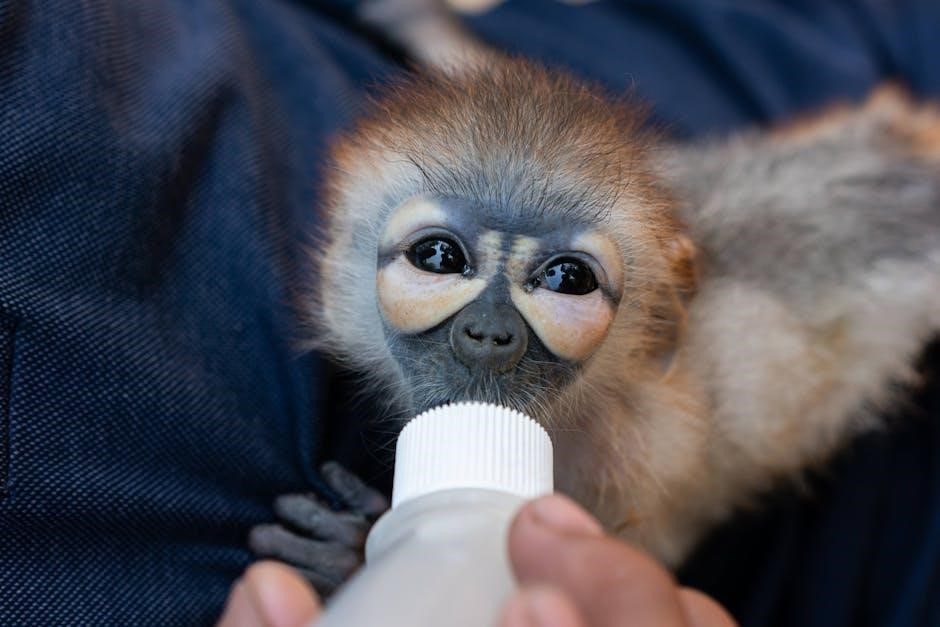
Maintaining scrupulous hygiene is paramount when bottle-feeding kittens with KMR. Bacteria can quickly accumulate in feeding equipment, posing a serious health risk to vulnerable newborns. After each feeding, immediately disassemble the bottle, nipple, and any mixing tools.
Wash all components thoroughly with hot, soapy water. Use a bottle brush to ensure the inside of the bottle and nipple are completely clean. Rinse exceptionally well to remove all traces of soap. Following washing, sterilization is crucial.
Sterilize equipment by boiling for five minutes, using a steam sterilizer, or following the manufacturer’s instructions for a sterilizing solution. Allow equipment to air dry completely on a clean surface before reassembling. Proper cleaning and sterilization prevent bacterial growth and safeguard your kitten’s health.