
cadette primitive camper badge requirements pdf
Cadette Primitive Camper Badge Requirements: A Comprehensive Guide
Embark on an outdoor adventure! This guide details the five key steps – planning, gear, meals, skills, and the camping experience – needed to earn this badge.
Understanding the Cadette Primitive Camper Badge
This badge challenges Cadettes to step beyond traditional camping, embracing a more self-reliant and resourceful outdoor experience. Primitive camping focuses on minimizing reliance on modern conveniences, demanding skills in planning, preparation, and adaptability. It’s about connecting with nature on a deeper level, understanding essential survival techniques, and appreciating the simplicity of the wilderness.
Successfully earning this badge requires demonstrating proficiency in several core areas. Cadettes will need to meticulously plan a camping trip, selecting a suitable campsite and crafting a detailed itinerary. Gear preparation is crucial, emphasizing essential items and responsible packing. Furthermore, mastering camp meal planning and preparation, alongside learning a new primitive skill like fire starting or shelter building, are vital components.
Ultimately, the badge isn’t just about completing tasks; it’s about fostering confidence, resilience, and a respect for the natural world. It encourages responsible outdoor ethics, particularly adhering to Leave No Trace principles, ensuring minimal impact on the environment.
Badge Overview and Goals
The Cadette Primitive Camper badge aims to equip Girl Scouts with the knowledge and skills necessary for a safe and fulfilling primitive camping experience. The core goal is to foster self-sufficiency and responsible outdoor practices. Cadettes will learn to navigate the wilderness with minimal reliance on modern conveniences, promoting resourcefulness and adaptability.
Specifically, the badge focuses on five key objectives: comprehensive trip planning, meticulous gear preparation, resourceful camp meal planning, acquisition of a new primitive skill (like fire starting or knot tying), and the practical application of these skills during an actual camping trip. Emphasis is placed on understanding and implementing Leave No Trace principles.
Beyond skill development, the badge encourages environmental stewardship and a deeper appreciation for nature. It’s designed to build confidence, teamwork, and problem-solving abilities, preparing Cadettes for future outdoor adventures and fostering a lifelong love of the wilderness.

Planning Your Primitive Camping Trip
Careful preparation is key! This section covers essential planning steps, campsite selection, and creating a detailed itinerary for a successful adventure.
Trip Planning Essentials
Thorough planning ensures a safe and enjoyable primitive camping experience. Begin by defining the trip’s objectives and considering the group’s skill level. Research potential locations, checking for permits, regulations, and potential hazards like wildlife or weather patterns. A detailed map is crucial, alongside a compass and the ability to navigate using both.
Develop a comprehensive checklist encompassing all necessary gear, food, and safety equipment. Share the itinerary with someone not going on the trip, including planned routes, campsites, and expected return time. Discuss emergency procedures and communication plans, recognizing limited cell service in primitive areas. Consider potential risks and develop contingency plans for unexpected situations, such as inclement weather or injuries. Prioritize safety and responsible outdoor ethics throughout the planning process.
Selecting a Suitable Campsite
Choosing the right campsite is paramount for comfort and safety. Look for a level area, free of hazards like dead trees, falling rocks, or insect nests. Consider proximity to a water source, but maintain a safe distance to protect the water quality and surrounding ecosystem. Ensure the site allows for proper drainage to avoid flooding during rain.
Prioritize established campsites to minimize impact on the environment. If dispersed camping, select a durable surface like rock or dry grass. Avoid camping near trails or water sources to respect other users and wildlife. Check for signs of previous use and avoid disturbing vegetation unnecessarily. Practice Leave No Trace principles by minimizing your footprint and restoring the site to its natural condition before departing. A well-chosen campsite enhances the overall camping experience.
Developing a Trip Itinerary
A detailed itinerary is crucial for a safe and successful primitive camping trip. Begin by outlining daily goals, including hiking distances, skill practice sessions (like fire starting or knot tying), and designated times for camp chores. Factor in realistic travel times, considering terrain and potential delays. Share the itinerary with a trusted adult who is not going on the trip, including planned routes and expected return time.
Include contingency plans for unexpected weather or emergencies. Designate roles and responsibilities within the group to ensure efficient task completion. Build in flexibility to accommodate spontaneous discoveries or changes in conditions. Regularly review the itinerary during the trip and adjust as needed. A well-planned itinerary promotes preparedness, minimizes risks, and maximizes enjoyment of the outdoor experience.
Gear Preparation and Packing
Essential items include a backpack, tent, sleeping bag, and appropriate clothing. Prioritize lightweight, durable gear and practice packing efficiently for comfort and safety.
Essential Gear Checklist
A comprehensive checklist is vital for a successful primitive camping trip. Begin with shelter: a lightweight tent or tarp, and a warm sleeping bag rated for anticipated temperatures. Pack a durable backpack to carry everything comfortably. Navigation tools are crucial – a map and compass (and knowledge of how to use them!).
Safety first! Include a first-aid kit, headlamp or flashlight with extra batteries, a whistle, and sun protection (sunscreen, hat, sunglasses). For cooking, bring a portable stove and fuel, cooking pot, utensils, and a water filter or purification tablets. Don’t forget a knife or multi-tool, fire starter (waterproof matches, lighter, or flint and steel), and cordage (rope).
Personal items should be minimal but include toiletries, insect repellent, and appropriate clothing layers for varying weather conditions. A trash bag for packing out all waste is non-negotiable. Finally, consider a repair kit for gear and a small notebook and pencil for journaling or observations.
Clothing and Personal Items
Layering is key for adaptable comfort! Pack moisture-wicking base layers (synthetic or merino wool) to stay dry, insulating mid-layers (fleece or down) for warmth, and a waterproof/windproof outer shell. Sturdy hiking boots, broken in beforehand, are essential, along with several pairs of moisture-wicking socks.
Personal hygiene items should be lightweight and biodegradable where possible. Include a toothbrush, toothpaste, biodegradable soap, and a small quick-drying towel. Don’t forget feminine hygiene products if needed. Insect repellent is crucial, especially in areas with ticks or mosquitoes.
Other personal items include sunscreen, lip balm with SPF, sunglasses, and a hat for sun protection. A small personal first-aid kit with blister treatment is also wise. Keep these items organized in waterproof bags to protect them from the elements. Remember to pack only what you truly need!
First Aid and Safety Equipment
Preparedness is paramount for a safe trip! A comprehensive first-aid kit is non-negotiable, including bandages of various sizes, antiseptic wipes, pain relievers, blister treatment, and any personal medications. Know how to use everything in your kit – consider a wilderness first-aid course.
Safety equipment should include a map and compass (and the knowledge to use them!), a whistle for signaling, a headlamp or flashlight with extra batteries, and a fire starter (waterproof matches or a lighter). A multi-tool or knife is incredibly versatile.
Emergency communication is vital. While primitive camping often means limited cell service, consider a personal locator beacon (PLB) or satellite messenger for serious emergencies. Inform someone of your trip plan and expected return time. Practice Leave No Trace principles to minimize environmental impact and potential hazards.
Camp Meal Planning and Preparation
Fuel your adventure with delicious, practical meals! Careful planning ensures nutritious food that’s easy to prepare in a primitive setting, prioritizing safety and minimal waste.
Menu Planning for Primitive Camping
Crafting a successful menu is vital for a positive primitive camping experience. Begin by considering the trip’s duration and the energy demands of planned activities. Prioritize lightweight, non-perishable foods to minimize pack weight and simplify storage. Dehydrated meals, trail mixes, nuts, and dried fruits are excellent choices, offering sustained energy.
Plan meals that require minimal cooking, reducing reliance on fuel and cookware. One-pot meals are incredibly efficient! Think about breakfast options like oatmeal or granola, lunches consisting of wraps or jerky, and dinners featuring pasta or rice with dehydrated vegetables and protein.
Don’t forget snacks! Frequent, small snacks maintain energy levels throughout the day. Consider dietary restrictions and preferences within the group. Finally, meticulously calculate food quantities to avoid overpacking or running short, ensuring everyone stays well-nourished during the adventure.
Cooking Methods in a Primitive Setting
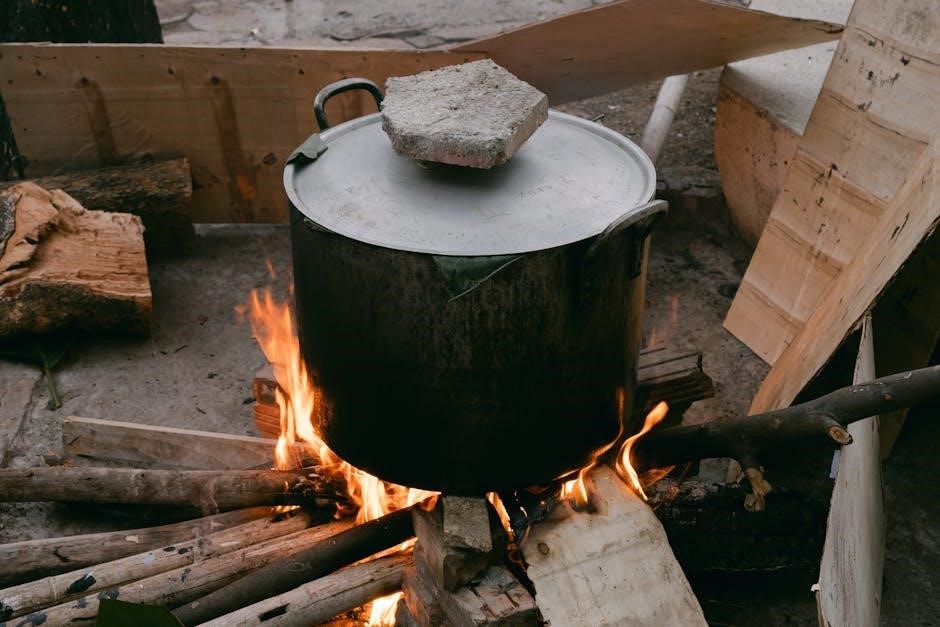
Primitive camping demands resourceful cooking techniques. Relying on traditional methods minimizes impact and enhances the experience. Building a campfire is a classic option, but always check for fire restrictions and practice Leave No Trace principles. Utilize a Dutch oven for versatile cooking – baking, stewing, and frying are all possible.
Alternatively, consider a backpacking stove for quicker, more controlled cooking. These stoves are lightweight and efficient, ideal for boiling water or preparing simple meals. Foil packet cooking is another excellent method, requiring minimal cleanup. Wrap ingredients in heavy-duty foil and cook directly on embers.
Remember to prioritize safety! Always have water readily available to extinguish flames, and never leave a fire unattended. Practice proper food handling to prevent contamination, and pack out all trash. Mastering these skills will ensure delicious and responsible meals in the wilderness.
Food Safety Considerations
Maintaining food safety is paramount during primitive camping. Proper planning and execution prevent illness and ensure a positive experience. Thoroughly wash hands before handling food, and use separate cutting boards for raw meats and produce. Pack perishable items in a cooler with ice packs, ensuring they stay below 40°F (4°C).
Cook food to safe internal temperatures using a food thermometer. Avoid cross-contamination by storing raw meats in sealed containers at the bottom of your cooler. When disposing of food waste, pack it out or bury it at least 200 feet from water sources and trails.
Be mindful of water sources; purify all water before drinking by boiling, using a filter, or employing purification tablets. Store food securely to prevent attracting wildlife. Following these guidelines minimizes risks and promotes a healthy camping trip.
Learning a New Primitive Camping Skill
Expand your outdoor expertise! Master fire starting, knot tying, or shelter building – essential skills for self-reliance and a deeper connection with nature.
Fire Starting Techniques
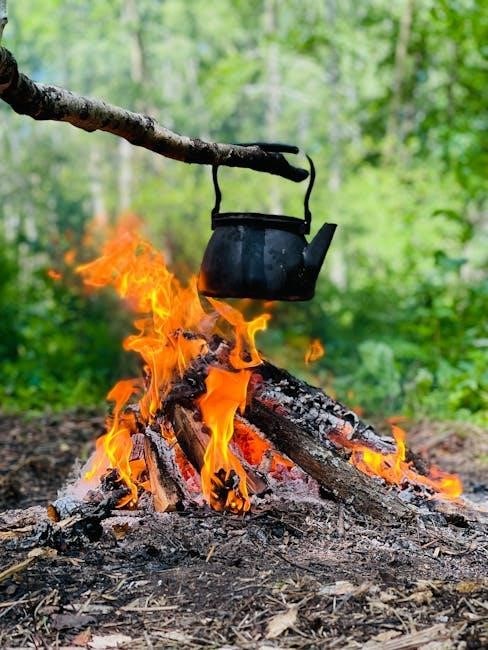
Mastering firecraft is crucial for primitive camping. Explore various methods beyond matches, understanding the principles of creating and sustaining a flame. Practice using a ferro rod and striker, learning to create sparks that ignite tinder. Gather natural tinder like birch bark, pine needles, or dry grasses, preparing a bird’s nest shape for optimal combustion.
Learn the importance of a proper fire lay. Start with tinder, then add kindling – small twigs – gradually increasing the size to larger fuel wood. Understand the different fire structures, such as teepee, log cabin, or lean-to, and their suitability for different conditions. Always prioritize fire safety, clearing a ten-foot diameter area down to bare earth, having water readily available, and never leaving a fire unattended.
Document your practice and understanding. Demonstrate proficiency in building and maintaining a fire, explaining the necessary components and safety precautions. This skill builds confidence and self-reliance in a wilderness setting.
Knot Tying for Camping
Essential knots are fundamental for various camping tasks. Learn and practice at least five essential knots, understanding their specific uses and limitations. The square knot is vital for joining two ropes of equal diameter, while the bowline creates a secure loop that won’t slip. Master the taut-line hitch for adjustable tension, perfect for tent guy lines.
Explore the clove hitch for attaching a rope to a pole or tree, and the figure-eight knot for creating a stopper to prevent a rope from running through a device. Practice tying these knots repeatedly until you can do so quickly and accurately, even with gloves on. Understand the importance of a properly tied knot – a weak or incorrectly tied knot can lead to equipment failure and potential danger.

Document your knot-tying skills. Demonstrate proficiency by tying each knot correctly and explaining its application in a camping scenario.
Shelter Building Basics
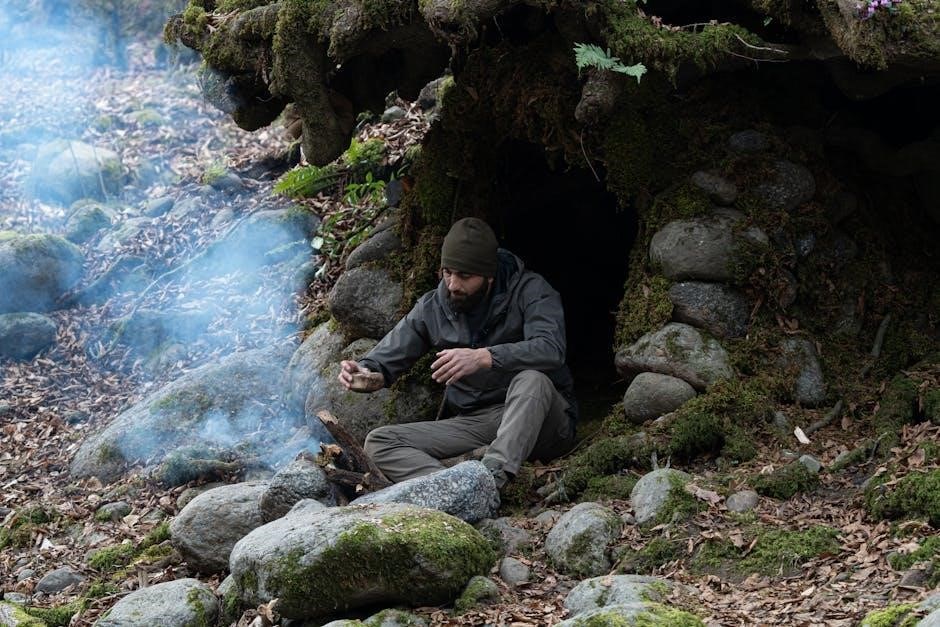
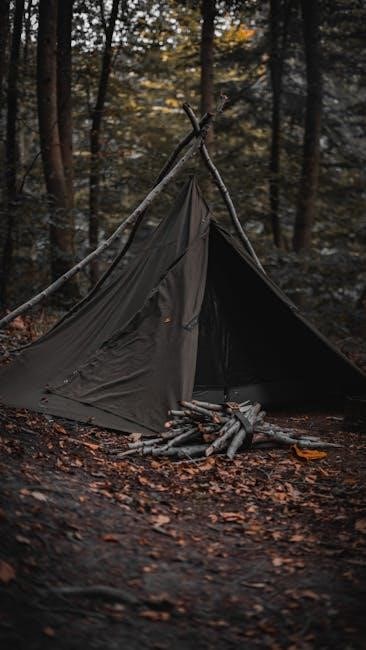
Constructing a basic shelter is a crucial survival skill. Learn to build a simple lean-to shelter using natural materials like branches, leaves, and sturdy sticks. Understand the principles of shelter design – protection from wind, rain, and sun are paramount. A lean-to provides a quick and effective barrier against the elements.
Focus on site selection. Choose a location that is relatively flat, sheltered from the wind, and free from hazards like falling branches. Gather sufficient materials to create a robust structure, layering branches and leaves for insulation and waterproofing. Practice building a small-scale shelter to understand the effort and materials required.
Demonstrate your understanding of shelter construction. Explain the importance of proper site selection, material gathering, and structural integrity. Document your shelter-building process with photos or a detailed sketch;

The Camping Experience & Beyond
Reflect on your journey! Practice Leave No Trace principles, document your adventure, and share your newfound skills with others, completing the badge requirements.
Setting Up Camp
Upon arriving at your carefully selected campsite, the initial task is establishing a safe and organized base. Begin by identifying a suitable, level area for your tent, clearing it of any rocks, sticks, or debris that could cause discomfort or damage. Properly pitching your tent is crucial; ensure it’s taut and securely staked down to withstand potential weather changes.
Next, designate specific zones within your camp – a cooking area, a gear storage space, and a designated waste disposal location. Prioritize safety by establishing a fire ring away from flammable materials and ensuring easy access to your first-aid kit. Remember to consider the surrounding environment and minimize your impact. A well-organized camp promotes efficiency, safety, and a more enjoyable primitive camping experience, allowing you to fully immerse yourselves in nature’s beauty and challenges.
Leave No Trace Principles
Embracing Leave No Trace principles is paramount for responsible primitive camping. This means minimizing our impact on the environment, ensuring its preservation for future generations. Plan ahead and pack out everything you pack in – all trash, food scraps, and even biodegradable items like orange peels. Properly dispose of human waste by digging a cathole at least 200 feet from water sources, trails, and camp.
Minimize campfire impacts by using established fire rings or fire pans, keeping fires small, and ensuring they are completely extinguished before leaving. Respect wildlife by observing from a distance and never feeding animals. Leave rocks, plants, and other natural objects as you find them. By diligently following these principles, you demonstrate respect for the wilderness and contribute to its long-term health and beauty, embodying the spirit of responsible outdoor stewardship.
Post-Trip Reflection and Reporting
Following your primitive camping adventure, thoughtful reflection is crucial for solidifying your learning experience. Document your journey – what went well, what challenges you faced, and how you overcame them. Consider the skills you practiced, the meals you prepared, and the impact of Leave No Trace principles on your campsite.
Share your experiences with your troop, detailing your planning process, gear choices, and any unexpected situations. A written report, accompanied by photos or a presentation, effectively communicates your accomplishments. Discuss how this experience broadened your understanding of wilderness skills and environmental responsibility. Reflect on how you can apply these lessons to future outdoor endeavors, fostering a lifelong appreciation for primitive camping and responsible outdoor ethics. This final step completes the badge requirements.