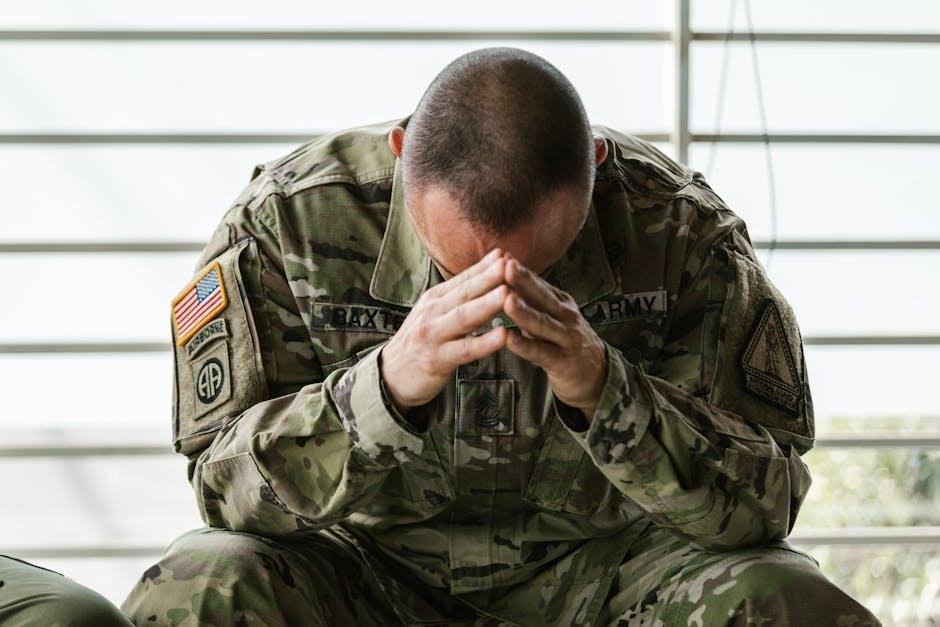
ptsd coping skills pdf
Understanding PTSD and the Need for Coping Skills
Navigating the complexities of Post-Traumatic Stress Disorder (PTSD) necessitates understanding its impact and proactively developing effective coping skills‚ often aided by PDF resources.
Traumatic events overwhelm an individual’s ability to cope‚ creating a need for strategies detailed in worksheets like the PTSD & C-PTSD Safety Plan.
Effective coping involves addressing dissociation‚ improving problem-solving‚ and establishing direction‚ all supported by readily available PDF guides and tools.
What is Post-Traumatic Stress Disorder (PTSD)?
Post-Traumatic Stress Disorder (PTSD) arises following exposure to intensely threatening or horrific events‚ exceeding an individual’s capacity to cope‚ and is often addressed with coping skills detailed in PDF resources.
These events can range from direct experiences of trauma – such as combat or physical assault – to witnessing traumatic incidents or learning about violence experienced by loved ones. The core feature of PTSD is a disturbance in an individual’s ability to process and integrate these experiences.
Symptoms manifest as intrusive memories‚ nightmares‚ flashbacks‚ and intense psychological distress when exposed to reminders of the trauma. Avoidance behaviors‚ negative alterations in cognition and mood‚ and marked alterations in arousal and reactivity are also characteristic.
Understanding that PTSD isn’t a sign of weakness‚ but a normal reaction to abnormal events‚ is crucial. Utilizing PDF worksheets and coping strategies can empower individuals to navigate these challenges and begin the healing process‚ fostering resilience and recovery.
The Impact of Trauma on Coping Mechanisms
Trauma profoundly disrupts established coping mechanisms‚ often overwhelming an individual’s existing resources and necessitating the development of new strategies‚ frequently documented in PTSD coping skills PDF guides.
Prior to trauma‚ individuals rely on habitual responses to manage stress. However‚ traumatic experiences can render these methods ineffective‚ leading to feelings of helplessness and a loss of control. This disruption can manifest as increased anxiety‚ depression‚ and difficulty regulating emotions.
Maladaptive coping strategies‚ such as substance abuse or social withdrawal‚ may emerge as attempts to numb emotional pain. These behaviors‚ while providing temporary relief‚ ultimately exacerbate the problem.
Effective intervention involves identifying and addressing these disrupted coping patterns‚ and learning healthier alternatives. PDF worksheets‚ like the “Feel Better Plan‚” can facilitate this process‚ promoting self-awareness and empowering individuals to rebuild their resilience and emotional regulation skills.
Recognizing PTSD Symptoms
Identifying PTSD symptoms is crucial for initiating effective coping strategies‚ often supported by resources like PTSD coping skills PDF materials. Symptoms manifest diversely‚ impacting emotional‚ cognitive‚ and behavioral functioning.
Intrusive memories‚ including flashbacks and nightmares‚ are hallmark signs‚ relentlessly reliving the traumatic event. Avoidance behaviors‚ such as steering clear of reminders‚ become common as a means of minimizing distress.
Negative alterations in cognition and mood—persistent negative beliefs about oneself‚ the world‚ and the future—are frequently observed. Hyperarousal symptoms‚ like exaggerated startle responses and irritability‚ contribute to a constant state of vigilance.
PDF worksheets‚ such as “Trauma Reminders‚” aid in recognizing triggers and developing proactive coping plans. Understanding these symptoms is the first step towards seeking support and implementing strategies for healing and recovery.

Essential Coping Skills for PTSD Management
Implementing grounding techniques‚ mindfulness‚ deep breathing‚ and progressive muscle relaxation—often detailed in PTSD coping skills PDF guides—provides immediate relief and fosters resilience.
Grounding Techniques for Immediate Relief
Grounding techniques are crucial for individuals experiencing PTSD‚ offering a pathway to shift focus away from overwhelming trauma-related thoughts and feelings. These skills‚ often detailed in PTSD coping skills PDF resources‚ help reconnect individuals with the present moment‚ reducing feelings of dissociation and anxiety.
Simple yet effective methods include the “5-4-3-2-1” exercise – identifying five things you can see‚ four you can touch‚ three you can hear‚ two you can smell‚ and one you can taste. The STOP handout‚ a quick coping tool‚ also provides a structured approach: Stop‚ Take a breath‚ Observe‚ and Proceed.
Additionally‚ the Turtle Technique‚ outlined in available PDFs‚ encourages withdrawing into a safe space—imagining a shell—to regulate emotions. Regular practice of these techniques builds a stronger ability to manage distressing symptoms as they arise‚ promoting a sense of control and safety.
Mindfulness and Meditation Practices
Mindfulness and meditation are powerful components of PTSD management‚ offering techniques to cultivate present moment awareness and reduce the intensity of intrusive thoughts and emotions. Many PTSD coping skills PDF guides emphasize these practices as core strategies for emotional regulation and healing.
Regular meditation‚ even for short durations‚ can help individuals observe their thoughts and feelings without judgment‚ fostering a sense of detachment from distressing memories. Mindfulness exercises‚ such as body scan meditations‚ encourage focusing on physical sensations to ground oneself in the present.
Resources available in PDF format often provide guided meditations specifically tailored for trauma survivors. These practices promote self-compassion and resilience‚ helping individuals develop a greater capacity to cope with the challenges of PTSD and rebuild a sense of inner peace.
Deep Breathing Exercises
Deep breathing exercises represent a readily accessible and highly effective technique for managing the physiological symptoms of PTSD‚ frequently highlighted within PTSD coping skills PDF resources. These exercises directly counteract the hyperarousal often experienced by individuals with trauma histories.
Diaphragmatic breathing‚ or belly breathing‚ activates the parasympathetic nervous system‚ promoting relaxation and reducing heart rate‚ blood pressure‚ and muscle tension. PDF guides often illustrate various techniques‚ such as box breathing or 4-7-8 breathing‚ providing step-by-step instructions.
Consistent practice of deep breathing can help individuals regain a sense of control during moments of intense anxiety or panic. These exercises serve as a powerful tool for self-soothing and grounding‚ offering immediate relief from overwhelming emotional and physical sensations‚ as detailed in available PDF materials.
Progressive Muscle Relaxation
Progressive Muscle Relaxation (PMR) is a somatic technique frequently detailed in PTSD coping skills PDF guides‚ designed to alleviate the physical tension associated with trauma. It involves systematically tensing and releasing different muscle groups throughout the body.
By consciously contracting and then relaxing muscles‚ individuals become more aware of the difference between tension and relaxation‚ enhancing their ability to release physical stress. PDF resources often provide scripts guiding users through each muscle group‚ from toes to head.
Regular practice of PMR can reduce anxiety‚ improve sleep quality‚ and promote a sense of calm. This technique is particularly helpful for those experiencing hyperarousal or chronic muscle tension stemming from traumatic experiences‚ offering a tangible method for regaining bodily control‚ as outlined in various PDF materials.

PTSD Worksheets and Resources (PDF Focus)
Numerous PDF worksheets‚ like Safety Plans and Feel Better Plans‚ provide structured exercises for PTSD management‚ fostering coping skills and emotional regulation.
PTSD & C-PTSD Safety Plan Worksheet
The PTSD & C-PTSD Safety Plan Worksheet is a crucial‚ practical PDF resource designed to empower individuals facing trauma-related distress. This tool facilitates proactive identification of triggers‚ internal warning signs‚ and effective coping strategies to utilize during moments of heightened anxiety or emotional overwhelm.
It encourages users to list contacts for support – friends‚ family‚ therapists‚ or crisis lines – ensuring readily available assistance when needed. Furthermore‚ the worksheet prompts the creation of a calming environment plan‚ detailing sensory experiences or activities that promote grounding and relaxation.
By systematically outlining these elements‚ the Safety Plan serves as a personalized roadmap for navigating challenging emotional states‚ fostering a sense of control and self-efficacy in the face of PTSD or Complex PTSD symptoms. It’s a vital component of building resilience and promoting overall well-being.
Feel Better Plan Worksheet
The Feel Better Plan Worksheet‚ a valuable PDF resource‚ focuses on proactively identifying and implementing activities that elevate mood and reduce distress associated with PTSD. This tool encourages individuals to brainstorm a diverse range of self-soothing strategies‚ categorized for easy access during challenging moments.
Categories typically include physical activities (exercise‚ stretching)‚ sensory experiences (listening to music‚ taking a warm bath)‚ engaging hobbies (reading‚ painting)‚ and social connections (spending time with loved ones). The worksheet emphasizes tailoring the plan to individual preferences and accessibility.
By consistently utilizing this plan‚ individuals can interrupt negative thought patterns‚ regulate emotions‚ and cultivate a sense of agency over their well-being. It’s a practical step towards building resilience and fostering a more positive outlook‚ complementing other coping skills and therapeutic interventions.
Trauma Reminders Worksheet: Dealing with Triggers
The Trauma Reminders Worksheet‚ often available as a PDF‚ is designed to help individuals with PTSD identify and manage triggers – stimuli that evoke distressing memories and emotional reactions. This tool facilitates a detailed exploration of potential triggers‚ categorized by sensory experiences (sounds‚ smells‚ sights)‚ situations‚ or thoughts.
The worksheet prompts users to describe their reactions to each trigger‚ including physical sensations‚ emotions‚ and behavioral responses. Crucially‚ it encourages the development of coping strategies tailored to each specific trigger‚ such as grounding techniques or relaxation exercises.
By proactively recognizing and preparing for triggers‚ individuals can minimize their impact and regain a sense of control. This process fosters self-awareness and empowers individuals to navigate challenging situations with greater resilience‚ enhancing their overall PTSD management.
Worksheet for Developing Healthy Coping Strategies
This Worksheet for Developing Healthy Coping Strategies‚ frequently found as a downloadable PDF‚ guides individuals in identifying and implementing constructive responses to PTSD symptoms. It moves beyond simply listing strategies‚ encouraging a personalized approach to self-care.
The worksheet prompts users to assess their current coping mechanisms‚ differentiating between helpful and unhelpful behaviors. It then facilitates brainstorming a range of alternative strategies‚ categorized by their function – emotional regulation‚ distraction‚ or problem-solving.
Crucially‚ it emphasizes creating a personalized “feel better plan‚” outlining specific actions to take during moments of distress. This proactive approach‚ supported by PDF resources‚ empowers individuals to build resilience and manage their PTSD symptoms effectively.

Therapeutic Approaches & Skills
Therapeutic interventions‚ like TF-CBT‚ paired with coping skills PDF resources‚ empower individuals to process trauma and build resilience for lasting healing.

Trauma-Focused Cognitive Behavioral Therapy (TF-CBT)
Trauma-Focused Cognitive Behavioral Therapy (TF-CBT) is a highly effective‚ evidence-based treatment specifically designed for children and adolescents impacted by trauma. It integrates cognitive and behavioral techniques to address the unique needs of individuals experiencing PTSD symptoms.
TF-CBT helps teens understand their trauma‚ develop coping skills to manage distressing emotions‚ and process traumatic memories in a safe and controlled environment. Crucially‚ it doesn’t solely focus on the trauma narrative; it also emphasizes building skills like relaxation‚ emotional regulation‚ and cognitive processing.
PDF resources often complement TF-CBT‚ providing worksheets for practicing these skills outside of therapy sessions. These PDF tools can reinforce learned techniques‚ promote self-awareness‚ and empower individuals to actively participate in their healing journey‚ fostering a sense of control and mastery over their experiences.
Ultimately‚ TF-CBT aims to reduce PTSD symptoms‚ improve overall functioning‚ and enhance the individual’s ability to lead a fulfilling life.
Advanced Skills for Overcoming Trauma (Beyond Reliving)
Moving beyond simply reliving traumatic experiences requires developing advanced coping skills that address the deeper‚ more complex aspects of PTSD. This phase focuses on integrating the trauma into one’s life narrative and rebuilding a sense of safety and control.
Advanced techniques involve challenging maladaptive beliefs about the self‚ others‚ and the world‚ often utilizing cognitive restructuring. Furthermore‚ cultivating self-compassion and acceptance is vital for healing. PDF resources can provide structured exercises for these processes.
Worksheets focusing on identifying and modifying negative thought patterns‚ alongside those promoting emotional regulation‚ are invaluable. These PDF tools support the development of resilience and the ability to navigate triggers without being overwhelmed.
Ultimately‚ mastering these skills empowers individuals to move from survival mode to a life characterized by meaning‚ connection‚ and purpose;
Building Resilience Through Coping Skills
Resilience‚ the ability to bounce back from adversity‚ isn’t an innate trait but a skill cultivated through consistent practice of effective coping mechanisms. For individuals with PTSD‚ building this resilience is paramount to long-term healing and well-being.
Utilizing PDF worksheets designed to foster self-awareness‚ emotional regulation‚ and problem-solving skills provides a structured pathway to strengthening inner resources. These tools help individuals identify their strengths and develop strategies for managing triggers and difficult emotions.
Consistent application of techniques like grounding‚ mindfulness‚ and deep breathing‚ often outlined in PDF guides‚ reinforces neural pathways associated with calm and control.
Ultimately‚ resilience isn’t about avoiding pain‚ but about developing the capacity to navigate it with courage‚ self-compassion‚ and a renewed sense of hope.

Specific Coping Strategies
Targeted PDF resources enhance problem-solving‚ address dissociation‚ and foster a sense of direction‚ empowering individuals to regain control and navigate life’s challenges.
Improving Problem-Solving Skills

Following traumatic experiences‚ the ability to effectively address everyday challenges can become significantly impaired‚ necessitating focused skill development. PDF worksheets and guides offer structured approaches to rebuild this capacity‚ moving beyond simply reacting to situations and towards proactive solutions.
These resources often emphasize breaking down overwhelming problems into smaller‚ more manageable steps‚ fostering a sense of control and reducing feelings of helplessness. Cognitive restructuring techniques‚ frequently included in PTSD-focused materials‚ help individuals challenge negative thought patterns that hinder problem-solving.
Furthermore‚ PDF tools can guide users through identifying available resources and support systems‚ expanding their options for addressing difficulties. Learning to anticipate potential obstacles and develop contingency plans is also a key component‚ promoting resilience and self-efficacy. Ultimately‚ enhancing problem-solving skills empowers individuals to navigate life’s complexities with greater confidence and independence.
Reconnecting with Reality (Addressing Dissociation)
Dissociation‚ a common symptom of PTSD‚ involves feeling detached from one’s body‚ emotions‚ or surroundings‚ creating a sense of unreality. PDF resources offer grounding techniques designed to anchor individuals back to the present moment‚ counteracting these disorienting experiences.
These techniques often involve focusing on sensory input – sight‚ sound‚ touch‚ smell‚ and taste – to re-establish a connection with the physical world. Worksheets may guide users through describing their immediate environment in detail‚ or engaging in activities that require focused attention.
The “STOP” handout‚ a readily available PDF tool‚ provides a quick and accessible method for interrupting dissociative episodes; Additionally‚ understanding the triggers that contribute to dissociation is crucial‚ and PDF guides can assist in identifying and managing these factors. Reconnecting with reality is a vital step towards regaining control and stability.
Establishing a Sense of Direction in Life
Trauma can disrupt one’s sense of purpose and future orientation‚ leaving individuals feeling lost and without direction. PDF worksheets focused on values clarification and goal setting can be instrumental in rebuilding a meaningful life path after PTSD.
These resources encourage self-reflection‚ prompting individuals to identify what truly matters to them and to define achievable steps towards a desired future. Developing healthy coping strategies‚ as outlined in various PDF guides‚ provides the foundation for pursuing these goals.
Re-engaging with hobbies‚ interests‚ and social connections can also contribute to a renewed sense of purpose. Utilizing online PTSD resources and support groups‚ often accessible through PDF links‚ fosters a sense of community and shared experience‚ reinforcing the belief in a brighter future.
Self-Care and Support Systems
Prioritizing self-care—sleep‚ diet‚ exercise—and cultivating social support are vital for PTSD recovery‚ often enhanced by PDF-based self-care routine creation.
Strong support networks and healthy lifestyle choices bolster resilience‚ complementing coping skills detailed in accessible PDF resources.
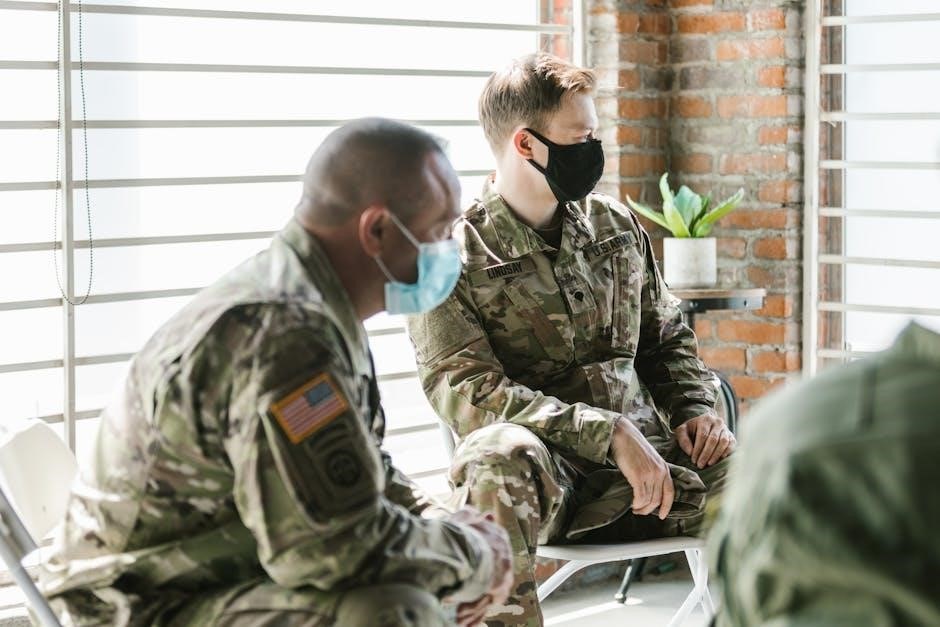
The Importance of Social Support
Establishing and maintaining robust social connections is paramount in navigating the challenges of Post-Traumatic Stress Disorder (PTSD). Feeling understood and supported by others can significantly mitigate feelings of isolation‚ a common symptom experienced by those grappling with trauma.
Sharing experiences with trusted individuals—family‚ friends‚ or support groups—provides a safe space for processing emotions and reducing the burden of carrying trauma alone. Accessing PTSD coping skills PDF resources can also help individuals articulate their needs and boundaries within these relationships.
Furthermore‚ social support fosters a sense of belonging and validation‚ contributing to increased resilience and improved emotional regulation. Utilizing online PTSD resources and support groups‚ often linked within PDF guides‚ can extend this network beyond immediate surroundings‚ offering diverse perspectives and shared understanding. Remember‚ seeking help is a sign of strength‚ and a supportive community is a cornerstone of healing.
Healthy Lifestyle Choices (Sleep‚ Diet‚ Exercise)
Prioritizing physical well-being is intrinsically linked to managing Post-Traumatic Stress Disorder (PTSD) symptoms and enhancing the effectiveness of coping skills. Consistent‚ quality sleep is foundational‚ as trauma often disrupts sleep patterns‚ exacerbating anxiety and emotional dysregulation.
A balanced diet‚ rich in nutrients‚ provides the energy needed to engage in therapeutic processes and daily life. Avoiding excessive caffeine‚ alcohol‚ and processed foods can further stabilize mood and reduce physiological arousal. Many PTSD coping skills PDF guides emphasize the importance of these foundational elements.
Regular exercise‚ even moderate activity‚ releases endorphins—natural mood boosters—and helps regulate the nervous system. Integrating these lifestyle choices‚ alongside strategies detailed in PDF resources‚ creates a holistic approach to healing and fosters long-term resilience.
Creating a Self-Care Routine
Establishing a consistent self-care routine is paramount for individuals navigating Post-Traumatic Stress Disorder (PTSD)‚ serving as a proactive buffer against overwhelming emotions and triggers. This routine should be personalized‚ incorporating activities that genuinely nurture well-being and promote a sense of safety and control.
Self-care isn’t merely indulgence; it’s a vital component of trauma recovery‚ often detailed within PTSD coping skills PDF resources. Activities can range from simple pleasures – reading‚ listening to music – to more structured practices like journaling or spending time in nature.
Integrating these practices into daily life‚ even in small increments‚ reinforces self-compassion and builds resilience. Utilizing worksheets to identify preferred activities and schedule dedicated self-care time can ensure consistency and maximize benefits‚ fostering a path towards healing.

Additional Resources & Tools
Leverage readily available PDF tools like the STOP handout and Turtle Technique for quick emotional regulation‚ alongside online PTSD support groups.
STOP Handout (A Quick Coping Tool)

The STOP handout represents a remarkably accessible and swift coping mechanism‚ particularly valuable when experiencing overwhelming PTSD symptoms or triggering situations‚ often available as a PDF resource.
STOP is an acronym guiding individuals through a four-step process: Stop – immediately halt what you’re doing; Take a breath – focus on your breathing to center yourself; Observe – notice your thoughts‚ feelings‚ and bodily sensations without judgment; and Proceed – continue with awareness‚ choosing a mindful course of action.
This simple yet powerful technique facilitates a momentary pause‚ disrupting the cycle of anxiety or distress‚ and allowing for a more grounded response. Utilizing PDF versions ensures easy access and portability‚ enabling individuals to employ STOP whenever and wherever needed‚ fostering self-regulation and resilience in the face of trauma reminders or heightened emotional states.
It’s a foundational skill for building a robust toolkit of coping skills.
The Turtle Technique (Emotional Regulation)
The Turtle Technique is a grounding exercise designed to aid emotional regulation‚ particularly beneficial for individuals navigating the intense emotional landscape of PTSD; frequently presented as a downloadable PDF guide.
Inspired by a turtle’s ability to withdraw into its shell for safety‚ this technique involves physically retracting – tucking your chin to your chest‚ wrapping your arms around yourself‚ and gently squeezing. This action mimics the protective posture‚ signaling safety to the nervous system.
Simultaneously‚ focus on slow‚ deep breaths. This combination of physical withdrawal and mindful breathing helps to calm the body and reduce overwhelming feelings. PDF resources often include visual aids and step-by-step instructions‚ making it easily accessible. It’s a powerful tool for managing anxiety‚ flashbacks‚ or intense emotional distress‚ promoting a sense of control and self-soothing.
It’s a valuable addition to any PTSD coping skills toolkit.
Utilizing Online PTSD Resources and Support Groups
Accessing online PTSD resources and support groups offers a vital extension to individual coping skills work‚ often complementing PDF-based worksheets and techniques. Numerous websites provide information‚ downloadable guides‚ and interactive tools for managing trauma symptoms.
These platforms frequently host forums and support groups‚ creating a safe space to connect with others who understand the challenges of PTSD. Sharing experiences‚ receiving encouragement‚ and learning from peers can significantly reduce feelings of isolation.
Many organizations offer free PDF resources‚ including safety plans‚ grounding exercises‚ and self-care checklists. Online therapy options also provide convenient access to professional support. Remember to verify the credibility of sources before utilizing information. Utilizing these resources empowers individuals to take an active role in their healing journey‚ fostering resilience and well-being.
It’s a powerful supplement to traditional therapy.